
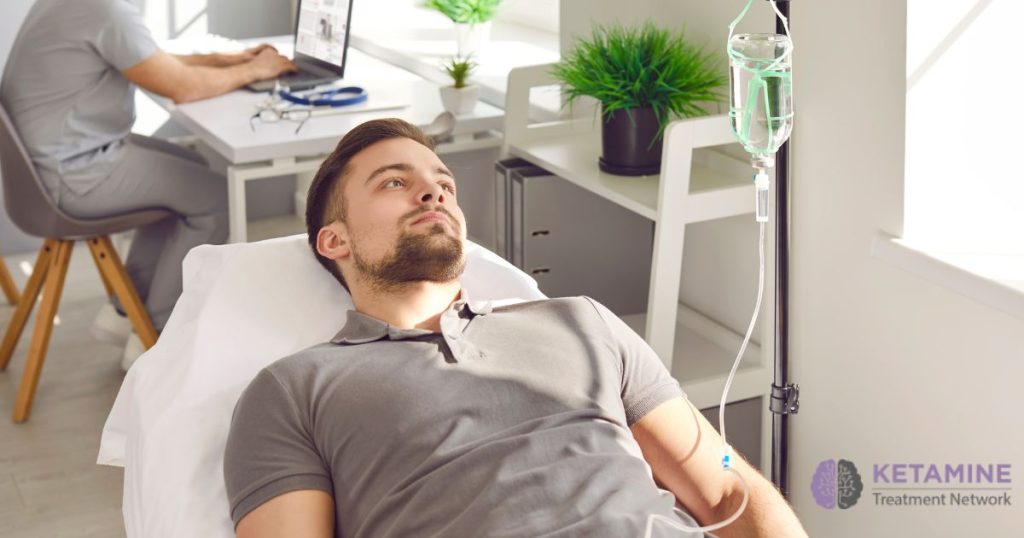
Understanding the Medical Use of Ketamine Infusions
Ketamine has made quite a splash in recent medical news. Once known primarily as an anesthetic (and, unfortunately, a recreational drug), it’s now gaining recognition as a potential game-changer in treating severe depression and specific chronic pain syndromes. But with its history, a common question arises: Do ketamine infusions get you high?
Ketamine’s Background
Ketamine was initially developed in the 1960s as an anesthetic for medical use. Due to its unique properties, it quickly became a valuable tool in surgeries and other medical procedures. Over the years, its application expanded beyond anesthesia, with researchers exploring its potential in treating various conditions, including chronic pain and certain mood disorders. Its rapid onset and relatively short duration of action made it particularly useful in settings where quick recovery was essential. As research continues, the scope of ketamine’s therapeutic potential is still unfolding.
The Therapeutic Use of Ketamine Infusions
Over the past decade, ketamine has been researched for its potential antidepressant effects, particularly in patients who don’t respond to traditional treatments. These treatments typically involve low-dose infusions, much lower than what would be used for anesthesia.
So, Do Ketamine Infusions Get You High?
So, do these therapeutic doses of ketamine infusions cause a “high”? The answer is a bit complex:
Dissociative Effects: Even at therapeutic doses, ketamine can cause a feeling of disconnection from one’s surroundings or even from oneself. This is not necessarily a “high” in the recreational sense, but it’s an altered state of consciousness that some might compare to the sensation of floating or being in a dream.
Short-lived Effects: Any dissociative effects from therapeutic ketamine infusions are typically short-lived, often lasting only during the infusion itself and for a brief period afterward.
Monitored Environment: It’s important to note that medical ketamine treatments are done in a controlled, clinical setting. This is not akin to recreational drug use. Medical professionals monitor the patient throughout the process, ensuring safety and comfort.
Safety and Side Effects of Ketamine
Like all medical treatments, there are potential side effects with ketamine infusions, including nausea, increased blood pressure, and hallucinations. These side effects are part of the reason why the procedure is done under strict medical supervision.
Conclusion
In conclusion, while ketamine infusions can cause an altered state of consciousness, it’s different from the “high” associated with recreational drug use. The primary goal of therapeutic ketamine use is not to induce a high but to alleviate symptoms of severe depression or chronic pain. As with any medical procedure or treatment, it’s essential to be informed and consult with healthcare professionals about potential risks and benefits.
Note: This blog is intended for informational purposes only. Always consult with a medical professional about any treatments or medical interventions.